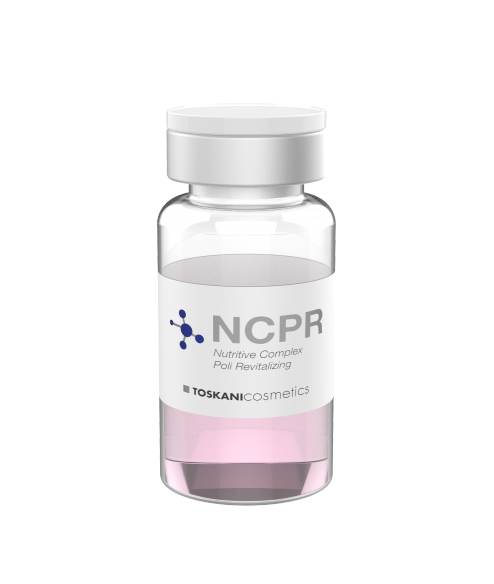


Liporase (10 vials x 1500 U.I.)


Worldwide Delivery. FREE Shipping Across Europe over 500€
130.00€
Liporase filler dissolver, also known as hyaluronidase, plays a crucial role in the world of aesthetic healthcare. As the demand for dermal fillers continues to rise, so does the need for an effective solution to correct any unexpected or unsatisfactory results. This is where Liporase steps in, offering a safe and reliable method for reversing filler treatments.
Liporase’s Role in Aesthetic Healthcare
Liporase is an essential tool for correcting dermal filler issues. Its administration requires professional expertise, ethical practice, and effective communication for successful outcomes.
Injection Techniques
Precise injection techniques, considering the depth and location of the filler, are critical in the successful use of Liporase.
Sterilization and Preparation
Sterilize and mark the target area to identify filler locations, ensuring a clean and safe injection environment.
Aseptic Technique
Utilizing aseptic methods minimizes risks of infection or complications. Selecting the right tools, such as a cannula or needle, is crucial for reaching the filler accurately.
Injection Site and Depth
Carefully consider the injection’s depth and site. Address any nodules individually and treat the entire area if necessary.
Nodule Injection
Directly inject into any nodules, adjusting the Liporase amount as needed. Patients should be aware of the potential need for repeat treatments.
Ultrasound-Guided Dissolution
In complex cases, ultrasound assistance can improve accuracy, especially in addressing arterial occlusions.
Post-Injection Care
Massaging the area post-injection aids in breaking down the filler.
Precautions and Side Effects
Liporase should not be used near recently treated botulinum toxin areas or in infected areas. While generally safe, some may experience mild side effects like redness or swelling.
Aftercare and Follow-Up
Monitoring patients post-treatment is vital. Aftercare instructions should include managing swelling, avoiding certain activities, and scheduling follow-up appointments.
Why Choose Us?
Related products